
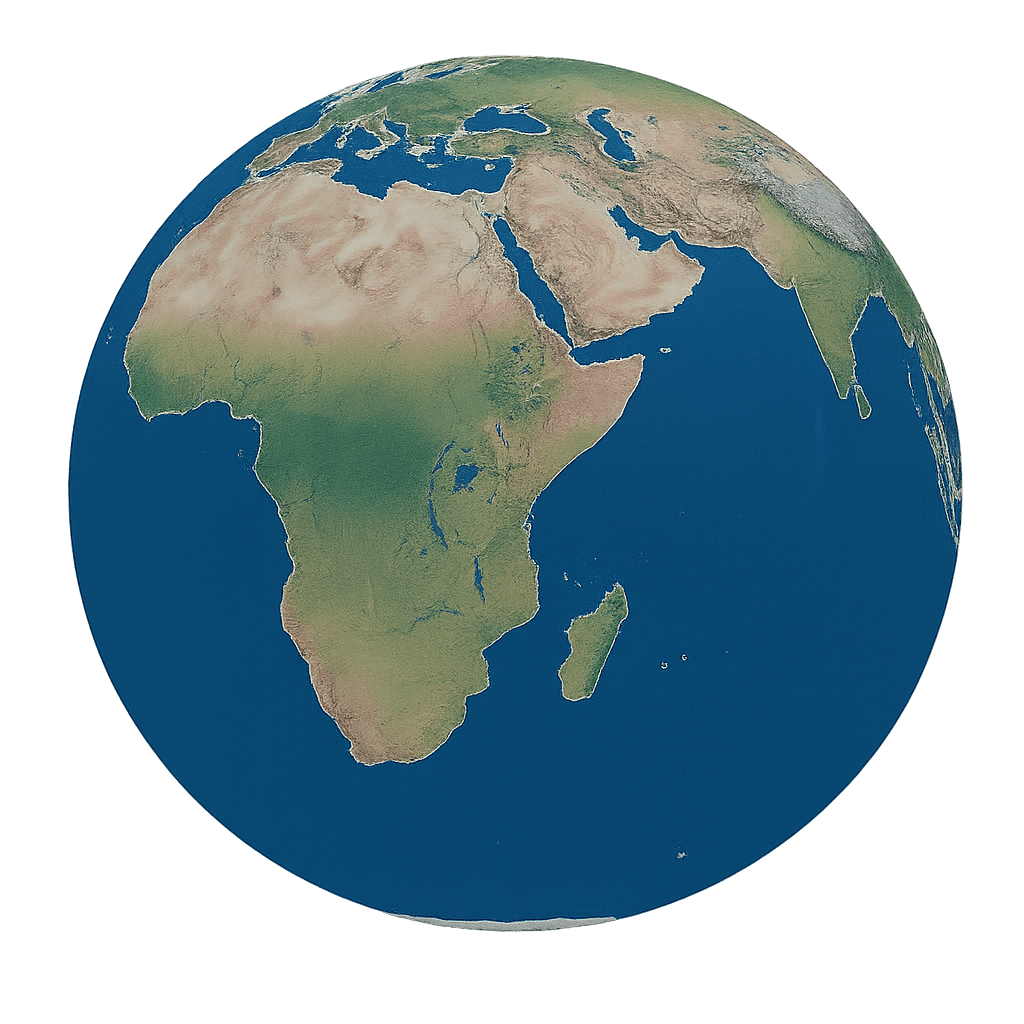
Energy Security and AI: Stefano Podini's (Eneco) Recipe for Europe's Independence
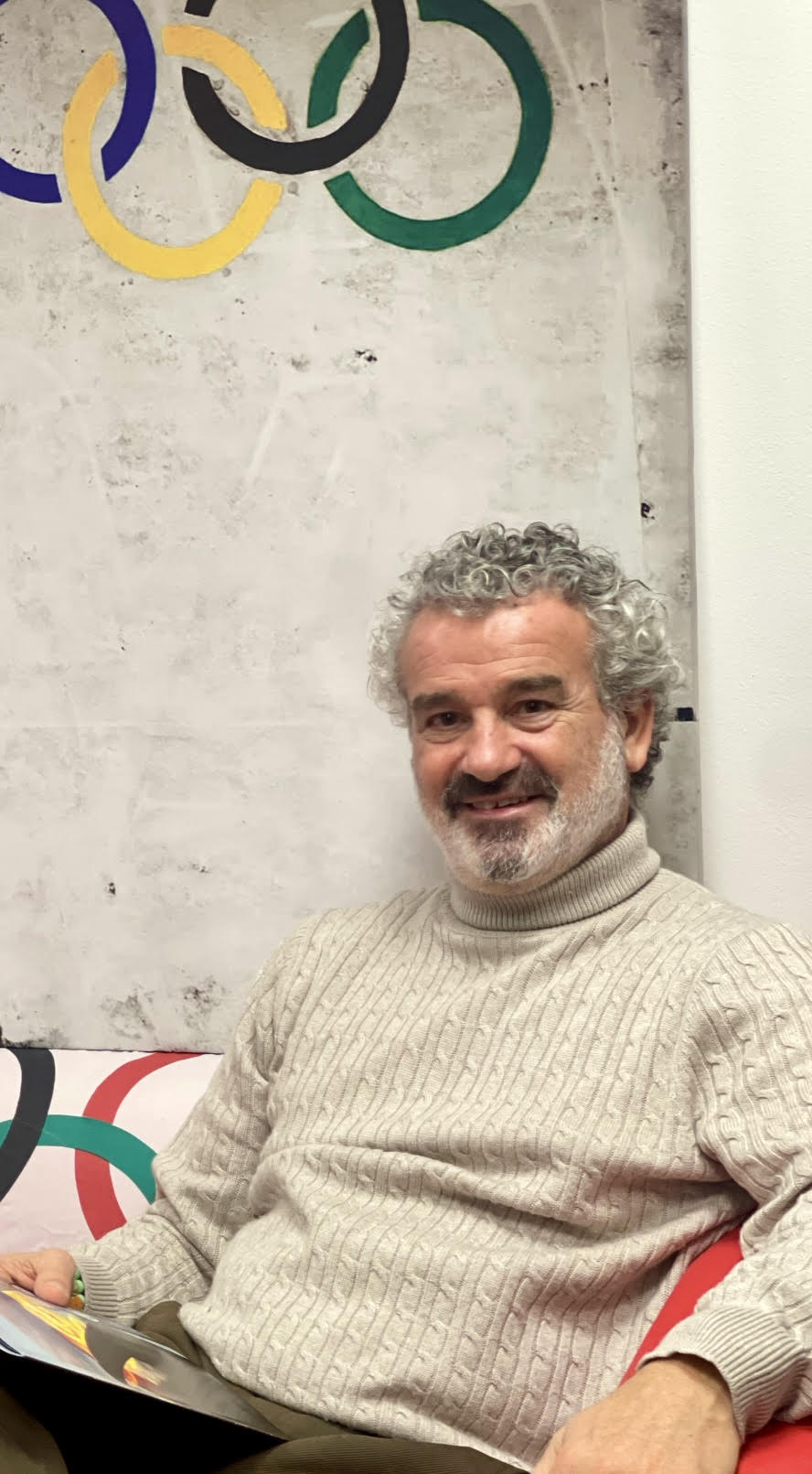
Energy independence cannot be measured only during peak daytime production. Italy, for instance, still depends on foreign sources for 80%
The real challenge is having the courage to build a balanced and diversified energy mix.”
BOLZANO, BOLZANO, ITALY, July 8, 2026 /EINPresswire.com/ -- As renewed instability in the Middle East once again sends energy prices higher and reminds Europe how vulnerable its energy system remains, Italian energy entrepreneur Stefano Podini believes the debate should move beyond the simplistic choice between renewable energy and nuclear power.— Stefano Podini Ceo Eneco
According to Podini, Chairman of Eneco Group, the real challenge is building an energy system capable of guaranteeing security of supply every hour of every day—not only when the sun shines or the wind blows.
"The discussion should no longer be 'renewables or nuclear'," says Podini. "The real challenge is having the courage to build a balanced and diversified energy mix."
Rather than replacing renewable energy, Podini argues that Europe should strengthen it by integrating complementary technologies capable of guaranteeing continuous electricity production.
He points to countries such as Spain, where the energy strategy increasingly combines multiple renewable sources with utility-scale battery storage systems (BESS), highly efficient next-generation gas turbines for flexibility, and a share of advanced nuclear power to provide stable baseload generation.
"Renewables remain the cornerstone of the energy transition," Podini explains. "But no modern industrial economy can rely on a single technology. Every source has strengths and limitations. The objective should be resilience."
Looking Beyond Political Cycles
Podini believes the biggest obstacle is no longer technological but political.
Large-scale energy infrastructure requires decisions whose benefits will only become visible ten to fifteen years from now—well beyond the duration of a typical political mandate.
"Too often politics reasons in terms of the next election," he says. "Energy policy should instead be designed for the next generation." He points to today's debate over nuclear power as an example.
"Many people now say, 'If only we had started fifteen years ago.' Had we made those investments then, European families and businesses would likely be facing far lower energy costs today."
The consequences, he notes, are particularly visible in Europe's energy-intensive industries, with Germany representing one of the clearest examples of how persistently high electricity prices have undermined industrial competitiveness.
Artificial Intelligence Will Transform Electricity Demand
Another factor often underestimated in today's energy debate is the rapid expansion of Artificial Intelligence.
While AI is only beginning to spread across businesses and society, Podini believes its impact on electricity consumption will be profound. Unlike many traditional industrial loads, AI data centers require enormous amounts of electricity continuously—24 hours a day, seven days a week. "Electricity demand is changing fundamentally," says Podini. "AI does not consume energy only during business hours. It requires constant power around the clock."
According to Podini, this continuous demand makes it technically impossible to rely exclusively on intermittent renewable generation. "Managing generation, transmission and grid balancing under these future consumption patterns will require stable sources capable of operating continuously alongside renewable energy."
Europe's Energy Independence Remains Fragile
Podini also warns that energy independence should not be measured only during periods when renewable production temporarily exceeds domestic demand. Italy, for example, still depends on foreign countries for more than 80% of its overall primary energy needs.Although renewable generation can temporarily make the country electrically self-sufficient during certain hours of the day, electricity consumption continues uninterrupted throughout the night and during periods of low renewable production."Energy security cannot be evaluated for only a few hours each day," Podini says. "Our economy operates twenty-four hours a day." He also highlights another often-overlooked reality. Today Italy imports roughly 16% of its electricity consumption, and approximately 12 percentage points of that electricity originate from nuclear generation in neighboring countries, including France, Switzerland and Slovenia.
"Whether we acknowledge it or not, we are already using nuclear electricity every day," Podini observes. "The reactors simply happen to be located a few kilometers beyond our borders."
A Long-Term Vision
For Podini, the solution is neither ideological nor technological. It is strategic. Europe, he argues, must build an energy system capable of combining sustainability, affordability and security. That means continuing to expand renewable generation while investing in storage technologies, maintaining highly efficient flexible generation where necessary, and objectively evaluating the contribution that next-generation nuclear power can make to long-term grid stability. "This is not about choosing one technology over another," Podini concludes. "It is about having the courage to make decisions today whose benefits our children will enjoy fifteen years from now." https://www.eneco.nl/en/about-us/
francesca schenetti
Ti Lancio
+ +39 339 809 3543
email us here
Legal Disclaimer:
EIN Presswire provides this news content "as is" without warranty of any kind. We do not accept any responsibility or liability for the accuracy, content, images, videos, licenses, completeness, legality, or reliability of the information contained in this article. If you have any complaints or copyright issues related to this article, kindly contact the author above.
