
US Naval Deployment in Middle East Surpasses Peak Levels During Iran War
News originally published by
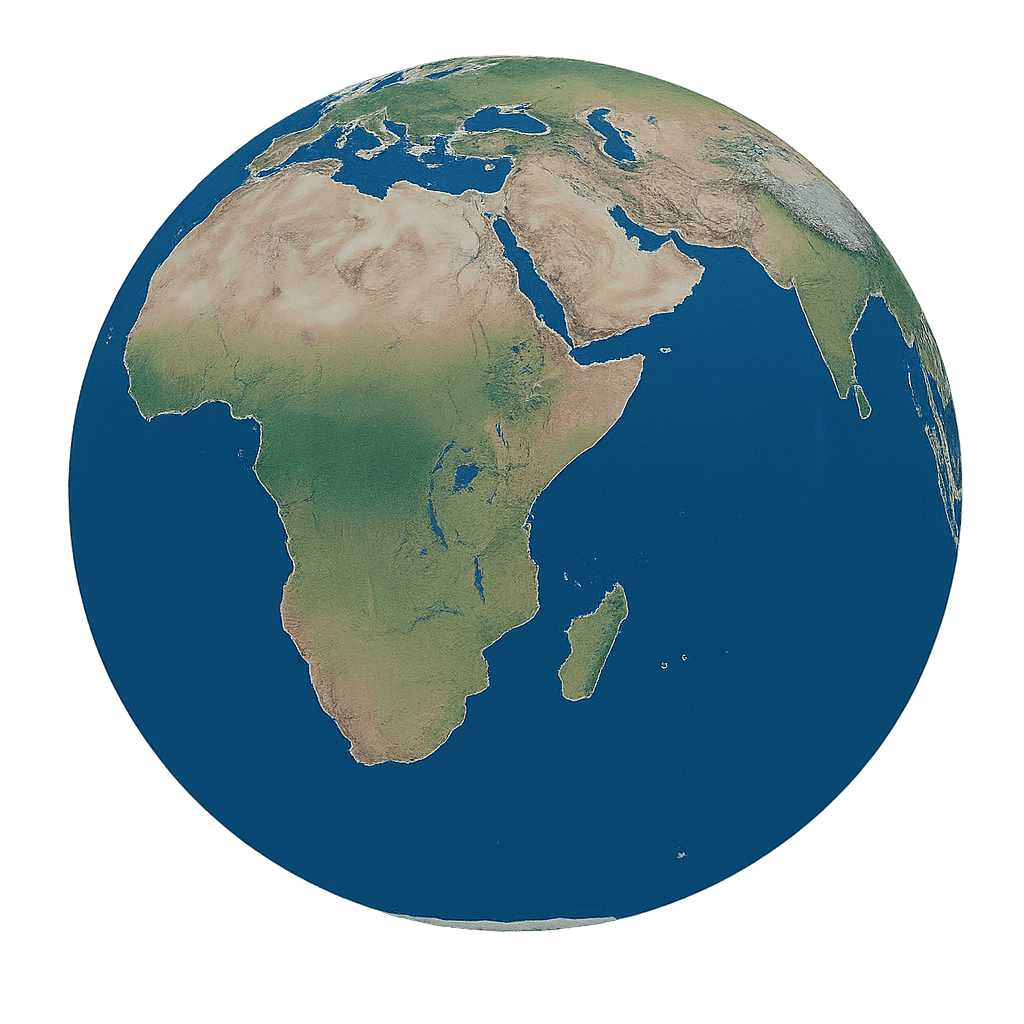
MENAFNThe Institute for National Security Studies (INSS) said it had analyzed publicly available information to assess the deployment of American military personnel and naval vessels across the Gulf, Arabian Sea, Red Sea and Mediterranean.
“The current US naval presence exceeds the size of the forces deployed during Operation Epic Fury, providing greater offensive capabilities and broader missile-interception capacity,” the institute said in a statement.
However, it did not disclose the exact number of American troops or naval vessels currently operating in the region.
The United States and Israel launched their military campaign against Iran on Feb. 28, prompting Tehran to retaliate with attacks on Israel and locations it identified as US military installations in Arab countries.
An interactive deployment map released by the institute showed that the US aircraft carriers George Washington, George H.W. Bush and Theodore Roosevelt are currently operating in the region, accompanied by several other military vessels.
On Nov. 9, US President Donald Trump declared that the war in Iran “militarily is effectively over,” while indicating that the “history's greatest Naval Blockade” would remain in place to maintain economic pressure on Tehran.
Despite the deployment of more than 200 aerial refueling aircraft across the region, the number of US combat aircraft stationed at land bases remains below March levels, according to the institute.
“Aircraft have been repositioned farther west within the Middle East or transferred to Europe, reflecting the vulnerability of forward bases to Iranian attacks,” it said.
“However, aircraft can be redeployed much more quickly than naval forces, meaning the balance of air power in the region could change rapidly,” the institute added.
Washington and Tehran reached a memorandum of understanding in June, but efforts to implement the agreement stalled over disagreements concerning guarantees for safe and unrestricted navigation through the Strait of Hormuz, a vital international corridor for energy shipments and commercial trade.
Since July, military confrontations between the two countries have periodically resumed despite ongoing diplomatic initiatives aimed at ending the conflict, which has generated substantial economic and political consequences across the Middle East and beyond.
Washington and Tel Aviv accuse Tehran of pursuing nuclear and missile programs that threaten Israel and US-aligned countries in the region. Iran, meanwhile, maintains that its nuclear activities are intended for peaceful purposes.
Legal Disclaimer:
EIN Presswire provides this news content "as is" without warranty of any kind. We do not accept any responsibility or liability for the accuracy, content, images, videos, licenses, completeness, legality, or reliability of the information contained in this article. If you have any complaints or copyright issues related to this article, kindly contact the author above.
