
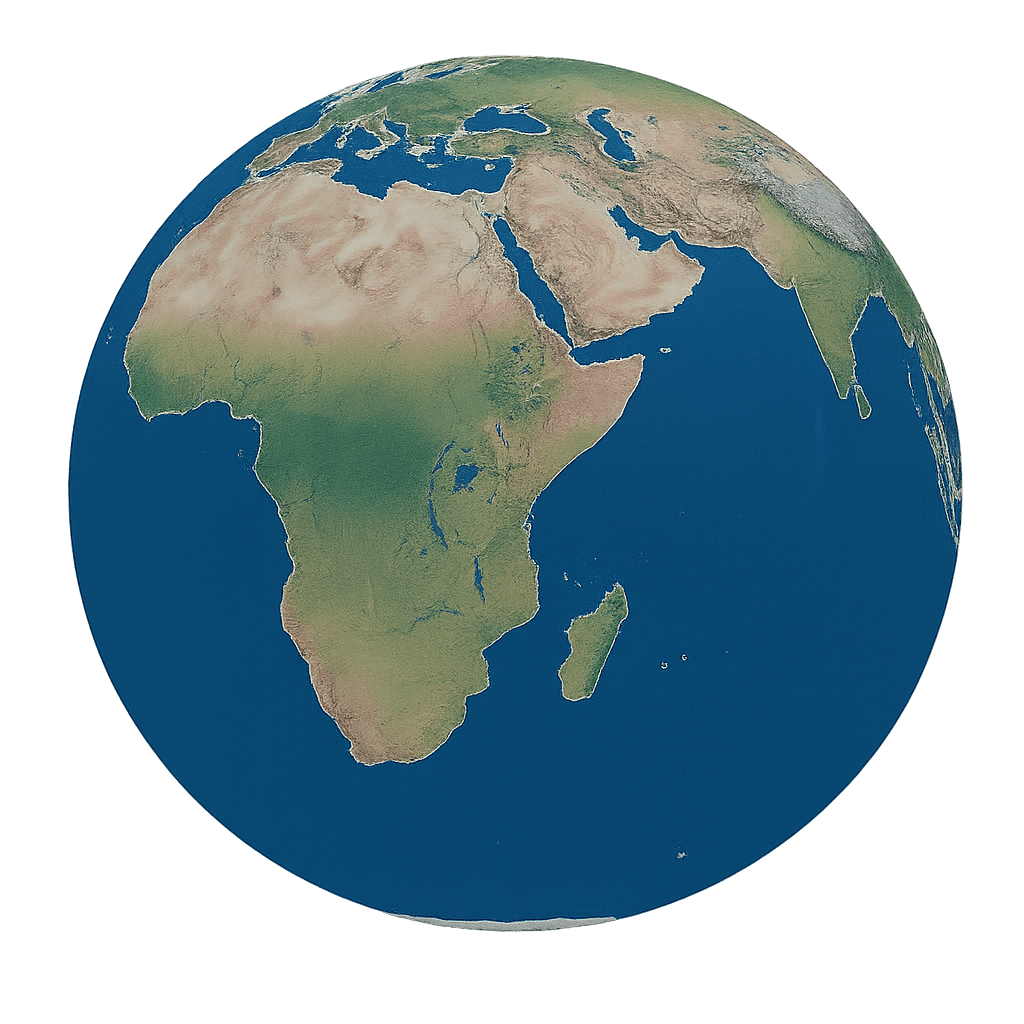
Middle East Energy Pressure: Iran’s parliament speaker Mohammad Bagher Ghalibaf warned that any obstruction to Iranian energy exports would destabilize the whole region, as US claims say more than a billion barrels have moved through the Strait of Hormuz with Iran exporting “zero” under a blockade. Humanitarian & Food Security: Somalia’s hunger emergency is worsening, with new expert findings warning 5.4 million people could face crisis or worse food insecurity, including 1.5 million in emergency levels. Yemen De-escalation Talks: UN envoy Hans Grundberg met Houthi negotiators and Saudi-backed government figures to try to prevent further escalation after renewed western-coast fighting. UK Arms & Gaza Policy: The UK expanded its Israel arms embargo, suspending/refusing 80+ export licences and adding a “double lock” tied to Gaza/West Bank legality. Anti-Money Laundering Oversight (UAE): UAE’s anti-money laundering committee released its 2025 annual report, highlighting deeper integration across government entities and stronger international cooperation. Regional Governance & Rights (Kurdistan): Kurdish leaders discussed a long political process tied to Abdullah Öcalan’s role, emphasizing democratic integration and local self-government. Public Services Under Strain (Syria): Syria’s fuel-price hikes sparked protests after Assad’s fall, with authorities partially rolling back increases amid economic frustration. Diplomatic Rift (UNGA): Turkey and Israel traded sharp UNGA rhetoric, with delegates walking out during Netanyahu’s speech and Erdoğan pushing for Palestine’s statehood.
AGP Executive Report
Your go-to archive of top headlines, summarized for quick and easy reading.
Note: AI summary from news headlines; neutral sources weighted more to help reduce bias in the result. Feedback is welcome. Please let us know if you have any comments or suggestions about the AGP Executive Report.
Transport & Fuel Relief: In the Philippines, transport groups launched a three-day protest over fuel-driven costs as PUV fares rose (jeepneys P13→P14; modern P15→P17) and police moved in to keep order, while the government said the fare hike is meant to cushion the Middle East-linked fuel shock. Legal & Elections: Election lawyer Romulo Macalintal filed a Supreme Court challenge to Republic Act 12326, arguing it postpones the Barangay and SK elections to Nov 2028 and extends terms in ways that violate voters’ rights. Diplomacy & UN Politics: Palestine’s Manila embassy thanked the Philippines for joining a walkout during Netanyahu’s UNGA speech, citing solidarity with calls for peace amid Gaza’s humanitarian crisis. AI Governance Push (UAE/Qatar): Abu Dhabi announced an Oct 6-7 AI summit aimed at making the emirate “AI-native” in government services, while Qatar hosted an AI Connect summit focused on practical public-sector use cases. Fuel Price Pressure (UK/Scotland): Diesel hit a record £2+ per litre in Scotland as Middle East tensions and supply disruptions keep lifting refined fuel costs. Public Finance Outlook (NZ): New Zealand’s Treasury forecast smaller deficits and a faster return to surplus, but warned long-term risks remain, including Middle East instability and ageing-related costs.
Transport & Cost Relief: In the Philippines, fare hikes for public utility vehicles took effect as the government said the move aims to blunt pressure from the Middle East-driven fuel shock, but transport groups still plan strikes and protests. UK Security & Iran Link Claims: UK police arrested five men near RAF Fairford, a U.S. base used for Middle East strikes, as investigators probe possible links to Iran; Iran’s embassy denied any connection. Fuel Price Shock: Croatia raised Eurosuper prices while cutting diesel, citing global oil volatility and subsidies; in the UK, diesel hit a record 199.18p/l amid renewed Strait of Hormuz uncertainty, lifting borrowing costs. Israel-Palestine Policy Debate: Britain’s Labour leadership signaled tougher measures on settlement-linked goods and services, while Israeli officials criticized calls for immediate Palestinian statehood. Iraq-Syria Energy Corridor: Analysis says the Iraq-Syria border is shifting from conflict routes to an oil-and-gas corridor as Iraq faces export constraints. U.S. Iraq Withdrawal: Iraq’s foreign minister said U.S. forces have fully withdrawn, ending the coalition mission timeline. UAE Digital Commerce: A Dubai logistics report put UAE e-commerce at Dh42.2bn in 2025, forecasting Dh67.2bn by 2030.
Yemen Conflict & Gulf Spillover: Houthi forces and Yemen’s government traded strikes in Taiz, with reports of civilian casualties and renewed missile/drone attacks on Saudi Arabia, deepening a humanitarian crisis and regional instability. Hormuz Pressure & Energy Markets: Iran reiterated readiness to reopen the Strait of Hormuz while the US rejected a seven-day truce roadmap, keeping oil and inflation risks elevated and feeding global bond volatility. UK Counter-Terror Alert: British police arrested five men near RAF Fairford, a US strike base, after a tip about suspicious vans; an Iranian-linked motive is reportedly most likely. Diplomacy at the UN: UN officials stressed Saudi Arabia’s role in peace efforts and called for a credible political process toward ending occupation and enabling a two-state solution. Humanitarian Preparedness: Kuwait Red Crescent Society said it is boosting emergency readiness and partnerships across the region. Finance & Rates Shock: The Bank of Korea flagged rising global Treasury yields and Middle East-driven uncertainty, while Australia braced for another rate hike amid budget improvements and cost-of-living pressure. Energy Security Planning: Malaysia was urged to stress-test fiscal plans for scenarios involving Hormuz and Bab el-Mandeb disruption.

Fuel Subsidy & Cost Relief: Sri Lanka’s president announced a Rs. 41 billion fuel subsidy for three months, with a Cabinet paper due for approval to extend relief into October–December. Counter-Terror & Security: UK police arrested five men near RAF Fairford, used by the US for Middle East operations, after evacuations and bomb-squad checks of three suspicious vans; investigators said the probe is being led by counter-terror police. Palestinian Authority vs. Israeli Far-Right: The Palestinian Executive condemned Finance Minister Bezalel Smotrich’s calls to “go to war” in the West Bank and dismantle the Palestinian Authority, warning it signals escalation and annexation. UN Diplomacy & Aid Pressure: The Philippines joined a UN walkout during Netanyahu’s speech, while Britain cut UN Gaza food funding by 78%, reducing the number of people it can feed. Regional Flashpoints (Hormuz/IRGC): Iran’s IRGC warned it would attack US warships in the Indian Ocean if Washington resumes attacks, as talks over reopening the Strait of Hormuz remain contested. Aviation & Reconstruction: Syria granted Fly Dar Airlines an air operator certificate, the first private airline certification since Assad’s fall, as Damascus pushes to rebuild aviation.
UNGA Diplomacy Clash: Iran’s president was allowed into the US to address the UN while Israel’s PM Netanyahu made a brief, high-hostility visit—highlighting sharp political and security contrasts at the UN’s 81st General Assembly. Gaza and UN Credibility: UNGA debate sharpened into walkouts and competing accounts of Gaza, with states pushing arms embargoes, sanctions and settlement trade limits as the Palestinian issue tested the institution’s authority. Hormuz Tensions: Trump rejected Iran’s seven-day proposal to reopen the Strait of Hormuz, while Saudi and Oman urged restraint and freedom of navigation, warning that maritime chokepoints are tied to global energy and trade. Energy Pressure on Households: In the UK, the energy price cap is set to rise, and households are urged to submit meter readings to avoid higher charges; diesel prices are also surging amid fears of US export curbs. Digital Governance: Bahrain placed third in the Arab Digital Economy Index 2026, citing digital sovereignty, e-government and cybersecurity resilience. Humanitarian Impact: Lebanon’s children returned to school after strikes destroyed classrooms, underscoring the war’s ongoing damage to basic services.
Strait of Hormuz Diplomacy: Iran’s president says Tehran’s supreme leader backs a new plan to reopen Hormuz within seven days if the US meets conditions, as officials report Trump has rejected earlier ceasefire terms and talks remain fragile. Fuel Price Pressure: Oil slid on truce hopes and diesel-export debate, while diesel prices in the UK and Scotland surged above £2/litre, adding political and household strain across Europe. Regional Security Coordination: Saudi and Pakistan defense chiefs met in Riyadh to deepen military coordination under the Makkah Joint Defence Agreement as Houthi drones and missiles target Saudi territory. Iraq-US Flight Exemptions: Iraq asked the US for exceptions to allow Iranian airline flights to Iraqi airports for humanitarian reasons, amid sanctions and suspension of Iran-linked routes. Israel-West Bank Water Access: Israeli settlers are diverting West Bank spring water tied to heritage claims, highlighting ongoing control battles over water and land. Tech & State Resilience: Microsoft announced a $10bn Middle East AI and cloud push, while a cyber resilience dashboard is launched for government entities. Media Accountability: The BBC is reviewing whether it improperly described Hamas militants as “journalists,” renewing scrutiny of impartiality in conflict coverage.
US-China Diplomacy: Xi Jinping wrapped up a three-day Washington state visit with Trump, with both sides extending a trade truce and scheduling more meetings at APEC and G20, but with limited progress on tariffs, rare-earths and AI. AI Governance: A new wave of concern follows reports that advanced AI systems were used in missile guidance and cyber activity tied to Yemen and Iran-linked operations, renewing calls for tougher regulation and “kill switch” style safeguards. Iran-US Tensions & Energy: Iran offered a seven-day plan to reopen the Strait of Hormuz if the US lifts its naval blockade and waives sanctions on Iranian oil sales, while markets reacted to truce hopes and diesel export ban talk, pushing oil down about 2%. Regional Security: France will deploy troops, radars and defense systems to Saudi Arabia to protect Red Sea energy sites as Houthi attacks intensify. UNGA Middle East Positions: Egypt rejected forced displacement of Palestinians and urged full Gaza ceasefire implementation; Pakistan warned India that diverting Indus waters would be an “act of war.” Sanctions & Travel Disruptions: Iraq’s Najaf suspended Iranian flights under US sanctions, stranding pilgrims and students. Nuclear Watch: US intelligence assessed Saudi Arabia has not ruled out developing nuclear weapons, adding pressure to a US-Saudi civilian nuclear deal.
Yemen War & Gulf Defense: Saudi, Turkish and Pakistani military chiefs will meet in Riyadh to coordinate support for Saudi Arabia under their joint defense pact as Houthis keep striking Saudi targets and disrupt oil flows. UNGA & Israel-Gaza Politics: Netanyahu defended Israel’s Iran and Gaza policies at the UN as delegates walked out; meanwhile pro-Palestine protesters in New York detained actress Susan Sarandon and comedian Hannah Einbinder during a sit-in outside the UN. Iran-US Diplomatic Push: Iran’s foreign minister proposed a seven-day roadmap to end the war and reopen the Strait of Hormuz if conditions are met, while Iraq moves to suspend Iranian flights to multiple airports amid US sanctions threats. Regional Security & Counterterror: Britain’s foreign minister met Iran’s counterpart at UNGA and warned against Iranian-linked hostile activity on UK soil; Lebanon also reported arrest of a suspected Islamic State plotter tied to an alleged plan against Pope Leo. Humanitarian Impact: In South Lebanon, children returned to school in damaged, makeshift classrooms after Israeli strikes. Energy & Governance Pressure: Fuel-price shocks and Middle East conflict continue to drive political pressure and subsidy/fiscal moves across countries, with markets watching oil and shipping risks. Cyber & AI Risk: A Middle East-focused security interview warned AI is reshaping cyber threats, pushing governments and institutions toward stronger, consolidated defenses.
UN Diplomacy Under Strain: Israeli PM Benjamin Netanyahu used his UNGA address to warn of “something incredible” in Iran and doubled down on defending Israel’s Gaza and Iran campaign, as dozens of delegates staged walkouts in protest. UK-Iran Tensions: UK Foreign Secretary Ed Miliband met Iran’s Abbas Araghchi and warned Britain won’t tolerate Iran-linked intimidation or threats on UK soil, urging de-escalation and full reopening of the Strait of Hormuz. Middle East War Expansion Fears: Iran’s adviser warned the conflict could expand to the Indian Ocean if US attacks resume, while oil prices jumped after Houthi missile strikes on Saudi Arabia revived supply worries. Fuel and Trade Pressure: The US is weighing a short-term diesel export ban, with EU officials warning it could hit European supply and prices; the debate is now tied to election-year cost-of-living concerns. Red Sea Security: France said it will send troops, radar and air-defense systems to protect Saudi Arabia’s Yanbu oil terminal amid Houthi attacks. Humanitarian/NGO Angle: Sri Lankan Muslim MPs jointly appealed to Saudi King Salman for clemency for a death-row citizen, Anujan. Nonprofit/Charity Watch: A Philippines Catholic bishops’ conference urged maritime stakeholders to protect seafarers’ dignity, safety and rights.
UN Diplomacy & Iran-US Tensions: Iran’s President Masoud Pezeshkian told the UN General Assembly the US is the “bully,” insisting Iran will not “bend the knee,” as Tehran downplayed recent US talks while warning of wider escalation. Saudi Security Alerts: Saudi Civil Defence issued brief warnings for Mecca and other regions (including Yanbu, Taif, Jeddah and Tabuk), later lifted, amid heightened Houthi-linked threat signals. Israel’s Diplomatic Pressure: Commentary and reporting ahead of Netanyahu’s UN speech highlight Israel’s growing isolation and the risk of a more campaign-style address. Charity Oversight: UK Charity Commission issued a regulatory warning to Save the Children after a staff death in Yemen in 2023, citing governance and safeguarding failures. Public-Service Cybersecurity: Wiz said AI-assisted testing found security gaps at a public rail operator and a public hospital, showing how weak access controls can expose critical services. Energy Costs & Policy: EU officials called a potential US diesel export ban a “bad idea,” warning it could harm both sides; Nigeria’s petroleum minister said Dangote’s refinery won’t automatically lower petrol prices due to global market forces. Regional Instability: Reuters reported residents in Ethiopia’s Tigray hoarding supplies amid fears of renewed fighting. Business & Infrastructure: Slovakia issued a 10-year euro government bond; separate coverage also flagged new defense surveillance and aviation procurement developments.
UNGA Diplomacy: Cyprus President Nikos Christodoulides used the UN General Assembly to condemn Turkey’s continued occupation of northern Cyprus and urged Erdoğan to return to substantive talks under UN frameworks. US–China Summit: Xi Jinping arrived in Washington for a three-day visit with Trump offering a rare airport welcome; leaders are set to discuss trade, technology, AI, and major Middle East flashpoints. AI Governance: Czech President Petr Pavel warned at UNGA that AI must develop under international rules with humans in control, citing the danger of governance arriving too late. Palestine Youth Sports: FIFA opened two mini-pitches in the West Bank and launched the “Unite for Peace: Kids’ Cup,” backed by Switzerland, aiming to expand safe youth spaces. Energy Security Policy: South Korea approved a shift from “just-in-time” to “just-in-case” resource planning, targeting reduced Middle East crude reliance to below 50% by 2035 and expanding oil storage and critical-minerals stockpiles. Fuel Price Pressure: Reports say a potential US 90-day diesel export ban is roiling markets; oil prices rose as Iran’s president vowed never to surrender while US–Iran talks remain in focus. Humanitarian Fallout: The UN warned of a rapidly escalating Djibouti refugee crisis as thousands of Yemeni refugees flee Houthi offensives near the Bab el-Mandeb.
UNGA Diplomacy & Iran Pressure: US-Iran talks continued on UN sidelines after Trump warned he could “annihilate” Iran if no deal is reached, while Iran’s president Masoud Pezeshkian is set to address the General Assembly amid claims of “very productive” negotiations. Aviation Sanctions: New US sanctions targeting Iran’s aviation sector took effect, with reports that flights to Baghdad and Muscat would be cancelled and routes rerouted. Energy Costs & Transport Fallout: In the Philippines, Palace officials called fare hikes a “last resort” as lawmakers weigh whether to suspend diesel excise taxes; in Ireland, MPs debated fuel and heating-oil relief as prices strain households. Cyber Security in the Middle East: A UAE-Iran-Saudi-heavy surge in financially motivated cyberattacks was flagged, with conflict periods boosting hacktivism and politically aligned threats. Data Centres & Power Planning: Ireland’s infrastructure taskforce urged “energy parks” for data centres to reduce pressure on communities and the main grid. Regional Economic Risk: The IMF warned Sri Lanka’s recovery could be derailed by El Niño and spillovers from the Middle East conflict. Energy Diversification: South Korea plans to cut Middle East crude reliance to 50% by 2035, citing supply disruptions and petrochemical shortages.
UN Iran Standoff: Trump told the UN General Assembly he will pursue an Iran deal or “annihilate” Tehran, while U.S. negotiators met Iranian officials on the sidelines; the Pentagon also added another service member death to its Iran-war tally, raising scrutiny over casualty reporting. Regional Security & Diplomacy: Jordan’s King warned Israel’s “expansionist appetite” is a regional threat; Türkiye, Saudi Arabia, Pakistan and Egypt condemned attacks targeting Saudi Arabia and urged diplomacy; Norway’s foreign minister warned Hormuz and Bab al-Mandeb disruptions are a global economic risk. Lebanon Watch: With UNIFIL withdrawal nearing and no replacement agreed, south Lebanon faces a growing security vacuum. Fuel Pressure on Governments: South Korea aims to cut Middle East crude reliance to 50% by 2035 and expand stockpiles; in the Philippines, fuel-price hikes are driving transport fare disputes as officials push subsidies/discounts and LPG/kerosene excise relief. Public Services & Aid Targeting: A Philippines lawmaker said 40% of farmers are missing from the government database, risking exclusion from fuel aid. Energy Markets: Brent slipped below $100 as Iran-diplomacy hopes eased supply fears, but the Middle East conflict continues to feed volatility.
Fuel-Price Relief and Transport Costs: In the Philippines, Transportation Secretary Giovanni Lopez said the government is still “squeezing” to manage fare-hike pressure, with the LTFRB continuing hearings and officials seeking to expand a P12-per-liter fuel discount to more transport modes. Targeting Gaps in Aid Delivery: A lawmaker warned 40% of farmers are missing from the DA’s RSBSA database, meaning many won’t receive fuel subsidies unless they register locally. Yemen War and Regional Shipping Pressure: Saudi Arabia faces renewed Houthi advances, with analysts pointing to terrain and proxy limits; meanwhile, Russia and Saudi leaders stressed safe passage through Hormuz and Bab el-Mandeb as oil routes are disrupted. UN Diplomacy and Global Governance: UN chief António Guterres warned of a world splitting into “two rival blocs,” as wars, hunger, and AI risks deepen. Energy Market Spillover: Brent slipped back below $100 as markets weigh Hormuz-related supply fears and pipeline repair hopes, while governments across Europe prepare fuel measures. Cyber Resilience Push: Dubai hosted GISEC Global 2026, bringing governments and industry together on AI-era cyber resilience.
UN General Assembly Watch: The 81st UNGA opens in New York as leaders warn trust is running out and reforms can’t wait, with Middle East wars, Gaza, and UN funding/peacekeeping cuts shaping the agenda. US-Iran Summit Signals: Trump again floated a possible US-Iran summit as markets watch for de-escalation, while Iran’s military command warns regional states they’ll be “complicit” if strikes resume. Yemen Red Sea Flashpoints: Houthis push to seize Yemen’s highlands and Red Sea coast, including claims of Saudi strikes near Bab al-Mandeb; Saudi-backed officials seek US support as the conflict threatens shipping and energy flows. Aviation Sanctions Pressure: US Treasury chief Scott Bessent warned Iranian airlines could be “shut down” globally on Sept. 23 under sanctions. Energy Shock & Fuel Policy: Pakistan raised petrol and cut diesel amid Middle East-linked refined oil price swings; Thailand weighs an oil-tax cut while preparing rooftop solar to blunt the energy shock. Regional Mediation Under Strain: Oman, Pakistan, and Qatar press for renewed Iran-US talks during UNGA, despite their own attacks and LNG vulnerabilities. Bahrain Takaful Growth: Moody’s says Bahrain’s Islamic insurance sector is positioned for expansion as penetration remains low and mandatory coverage rolls out.
UN Diplomacy Under Strain: The US denied visas to parts of Iranian President Masoud Pezeshkian’s UN General Assembly delegation, including his communications team, as Tehran seeks conditions for reopening the Strait of Hormuz. Iran War Escalation Talk: Analysts warn Trump’s “annihilate” rhetoric over Iran comes as Houthis step up attacks on Saudi Arabia, raising the risk of wider regional spillover and testing new defense pacts. Yemen Frontline Shift: Reports say Houthis are pushing to seize strategic highlands to cut the Red Sea coast, after claims Trump called off US strikes at the last minute. Energy Cost Pressure: Spain’s agri-food ministers said support will continue beyond Sept. 30 despite the war in Iran, while Ireland and the Philippines both moved to address heating and pump-price shocks tied to Middle East tensions. Government Response to Fuel Risk: Pakistan’s interior minister warned petrol could become unavailable even at Rs1,000 per litre if the global crisis persists. UAE Aviation Regulation: A Chinese flying-car firm signed with Ras Al Khaimah to build a UAE-certified air-traffic regulatory sandbox for low-altitude flights. Markets Watch: Stocks rose as oil and bond yields eased, but officials and investors remain focused on UNGA and Middle East escalation risk.
Fuel & energy security: Pakistan’s petroleum minister warned petrol could hit Rs1,000 a litre if shortages emerge as Middle East hostilities tighten supply; petrol is already at Rs389.14 and diesel at Rs424.04, while the government reroutes imports amid Strait of Hormuz disruption. Regional conflict & civil aviation: Houthis struck Riyadh for the first time since the naval blockade, triggering Aramco fire and flight cancellations; the US issued travel alerts urging Americans to expect disruptions. UN diplomacy & governance: World leaders return to the UN General Assembly amid wars and AI risks, with debate over UN relevance as Xi skips New York for talks with Trump; the UN’s next secretary-general race remains unclear. Civil society oversight: Bahrain dissolved 45 inactive associations and clubs after five years, citing Social Development Ministry rules. Political accountability & subsidies: Nigeria’s APC PCC challenged Atiku Abubakar to explain the legal and fiscal basis of his petrol subsidy plan under the Petroleum Industry Act. Market pressure from the Middle East: Europe faces a fourth-quarter jet fuel deficit as Iran-war disruptions cut Middle East supplies, pushing imports from new sources like South Korea. Rights & institutions: Reports say the Trump administration may escalate sanctions against the ICC, potentially targeting the court as an institution.
Saudi–Houthi Escalation: The US warned the Saudi-Iran-backed Houthi conflict could “escalate rapidly” after a missile attack targeted Riyadh, prompting fresh travel and security alerts for Americans and reports of disruptions to air and maritime traffic. Diplomacy Under Pressure: CIA chief John Ratcliffe met Egypt’s President Abdel Fattah al-Sisi in rare Cairo talks covering Iran, Gaza, Sudan, and Gulf security, with both sides stressing political and diplomatic tracks. Regional Security Coordination: A secretive senior military gathering in Germany, hosted by CENTCOM, brought together commanders from Israel, Saudi Arabia, the UAE, Bahrain, Kuwait, Qatar, Jordan, and Egypt to discuss strengthening cooperation as Houthis expand near Bab al-Mandab. Arms and Deterrence: The US approved a proposed $24.3bn F-35 sale to Saudi Arabia, while Israel seeks conditions tied to normalization—raising new political and security friction. UN and Global Governance: As wars and AI risks dominate the UN General Assembly agenda, Spain pushed for protecting international law and reforming multilateral institutions. Energy Fallout: UK households face a potential winter energy shock as Middle East conflict tightens global fuel supplies, while multiple governments weigh fuel-price measures.
Saudi-Houthi Escalation: Saudi Arabia confirmed Houthis tried to hit Riyadh with a ballistic missile and also targeted civilian infrastructure in Yanbu, as the conflict widens into a new front in the Iran war. US Travel Advisory: The US State Department urged Americans to reconsider travel across the Middle East, warning of rapid escalation, flight disruptions, and possible attacks on US interests. US-Iraq Withdrawal: Iraq says the US has begun withdrawing remaining troops from Iraqi Kurdistan, with Sept. 30 set as the “final and irreversible” end to the coalition mission. Pakistan Protests & Economy: Govt-Jamaat-i-Islami talks ended inconclusively as Islamabad sought to delay a long march over security threats; separate reporting says Middle East turmoil is already denting Pakistan’s exports. UNGA Austerity: Pakistan will streamline its UN General Assembly delegation under austerity, with the Middle East crisis featuring in Security Council discussions. Iraq Jobs Pressure: A new report highlights Iraq’s graduate-to-job mismatch, with oil-heavy revenues and limited public hiring squeezing young workers. Indonesia Gaza Stance: President Prabowo backed “Free Palestine” at a major Islamic event, contrasting with his earlier UNGA remarks on recognizing Israel’s security.
Sign up for:
Middle East Government Reporter
The daily local news briefing you can trust. Every day. Subscribe now.
Check Your Email!
We sent a one-time activation link to: .
Confirm it's you by clicking the email link.
If the email is not in your inbox, check spam or try again.
Welcome back!
is already signed up. Check your inbox for updates.